What happens when children get the chance to learn about nutrition, prepare a balanced meal themselves, and then sit down and enjoy what they created?
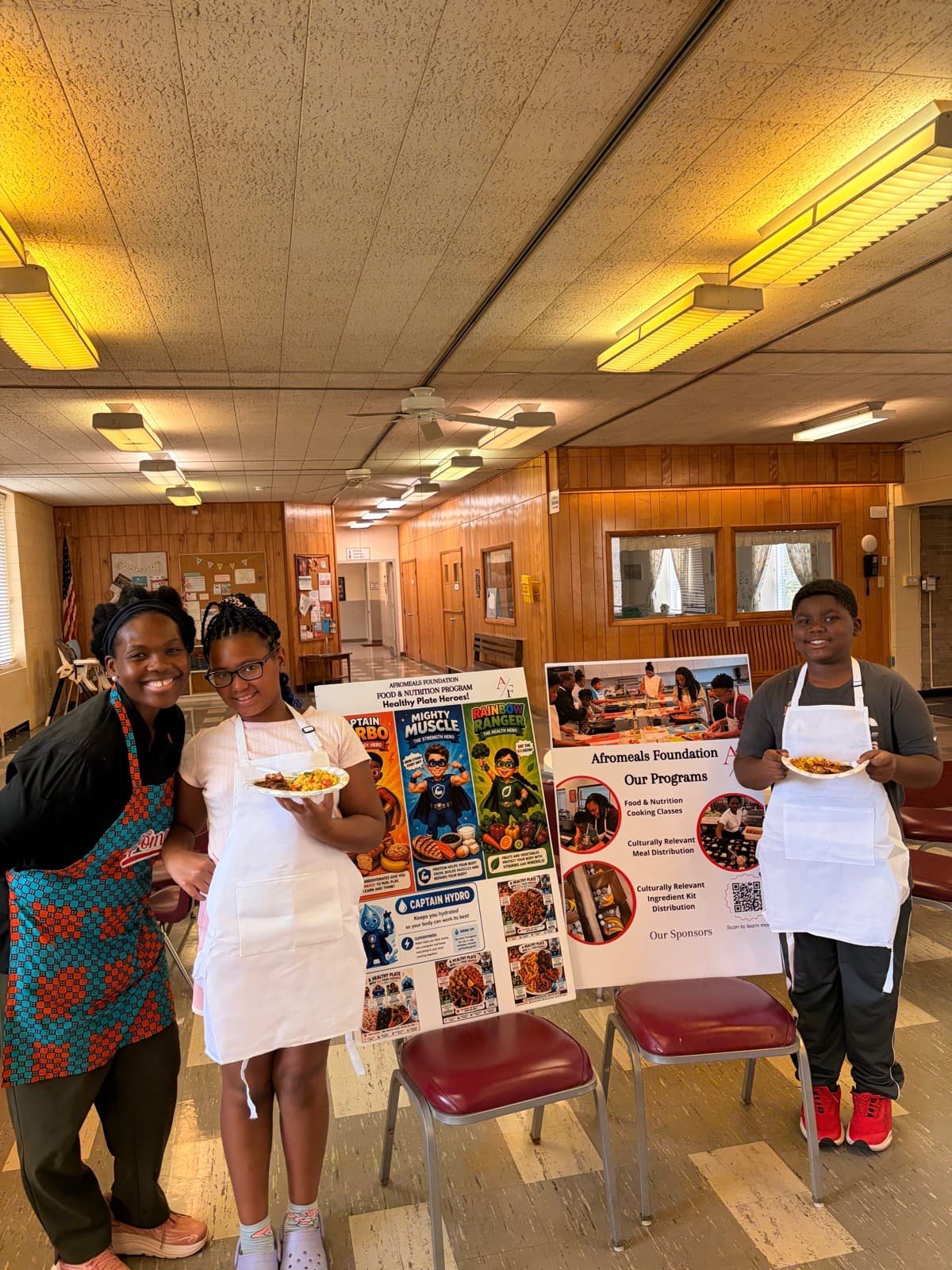
From August 10–12, 2026, Afromeals Foundation welcomed young participants to St. James Episcopal Church in Cincinnati for our three-day Cincinnati Summer Food & Nutrition Cooking Camp.
The goal was simple: give children an opportunity to get into the kitchen, understand the foods their bodies need, develop practical cooking skills, explore foods from different cultures, and build confidence preparing nutritious meals.
Three Days, Three Delicious Menus
Each day brought something different to the kitchen and another opportunity for our campers to put what they were learning about nutrition into practice.
Day 1: A Taste of West Africa
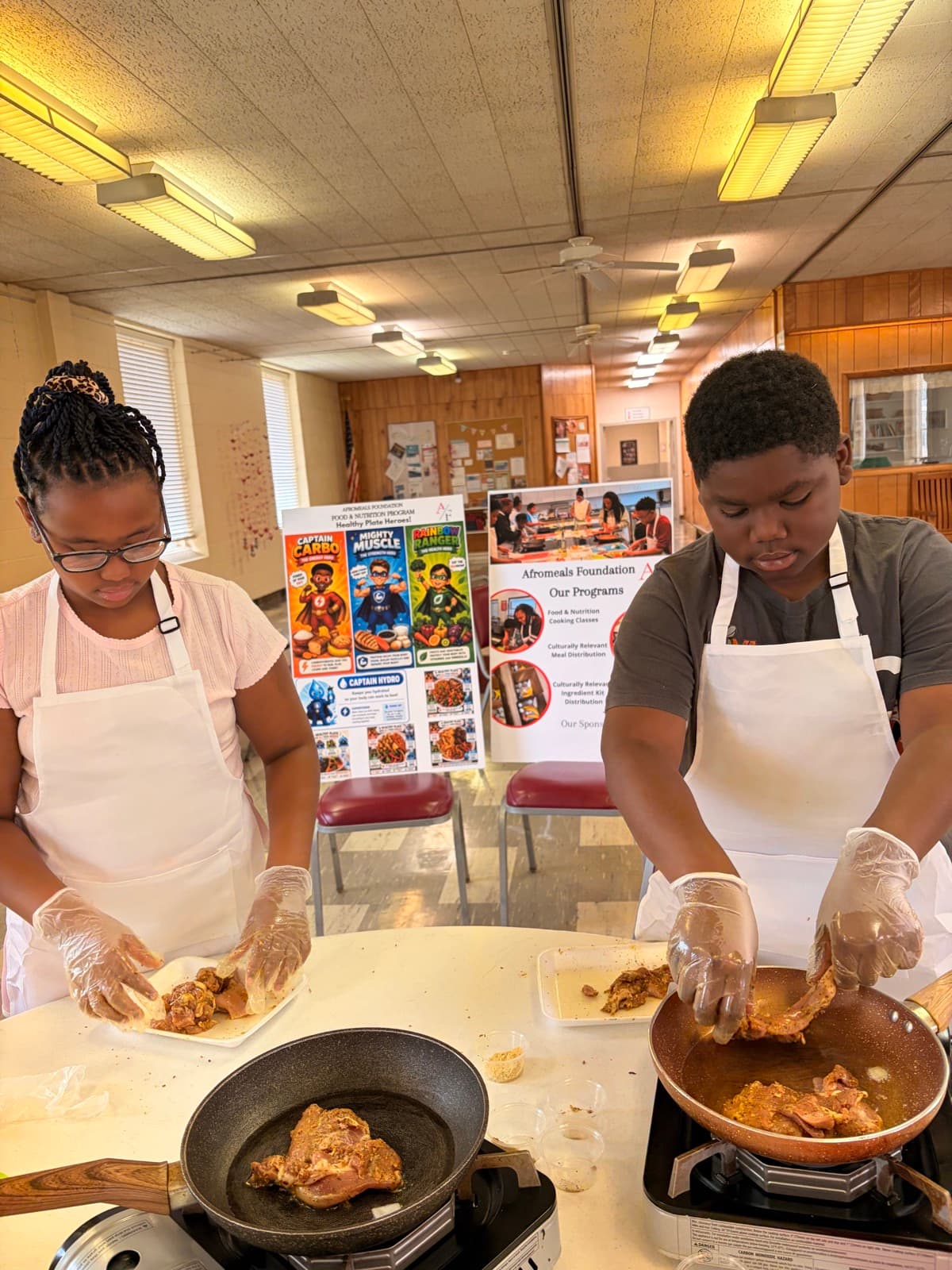
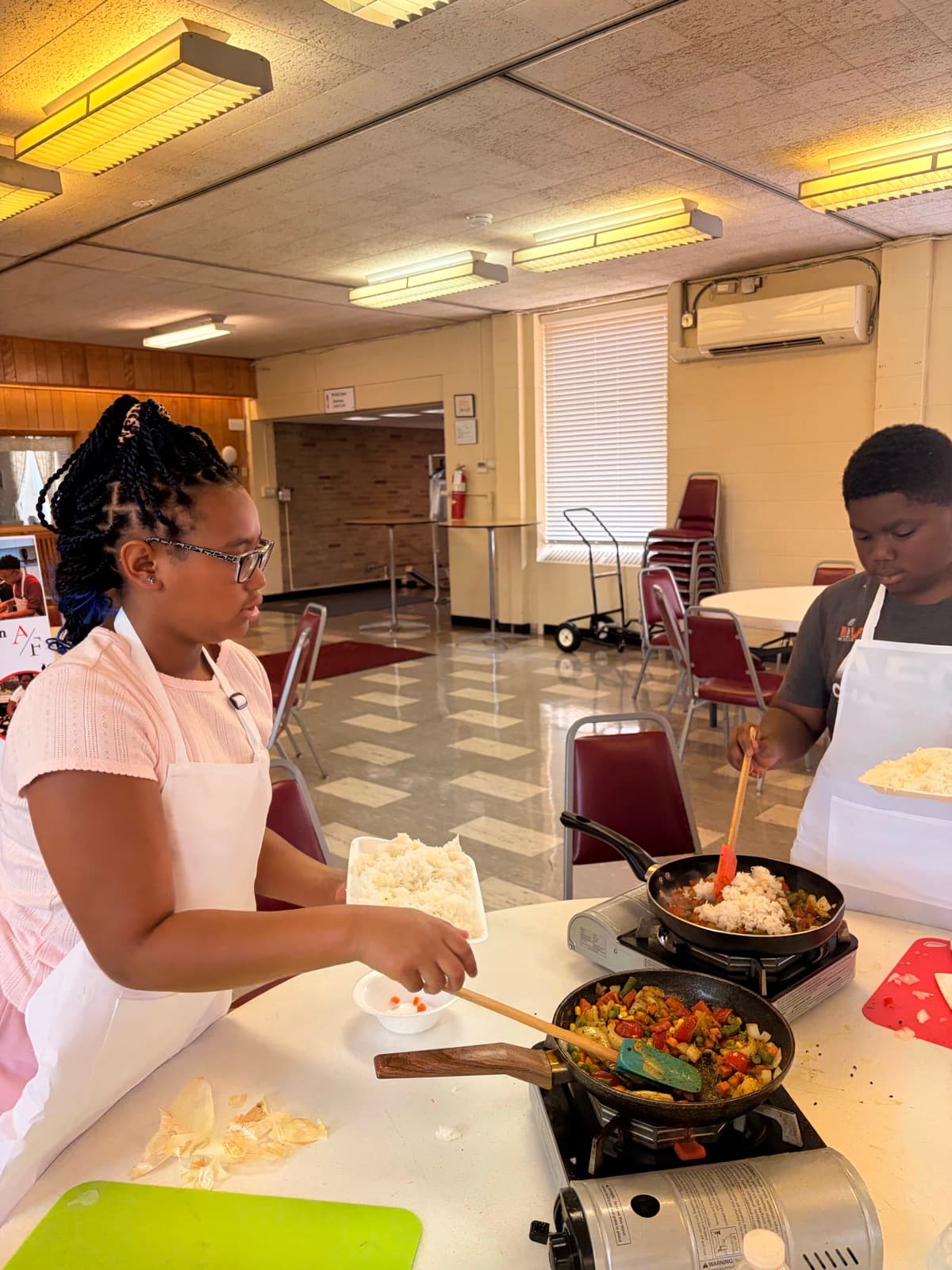
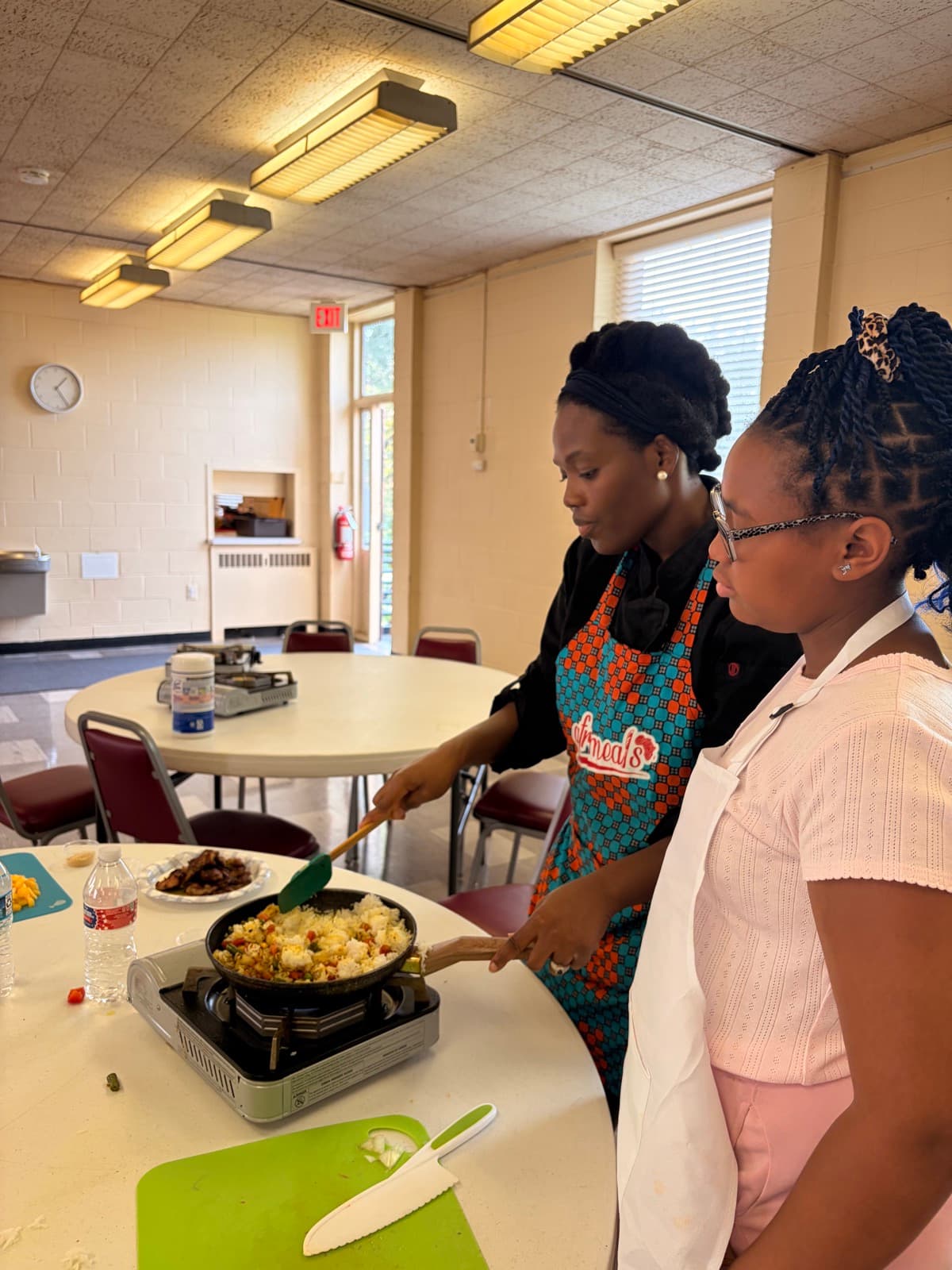
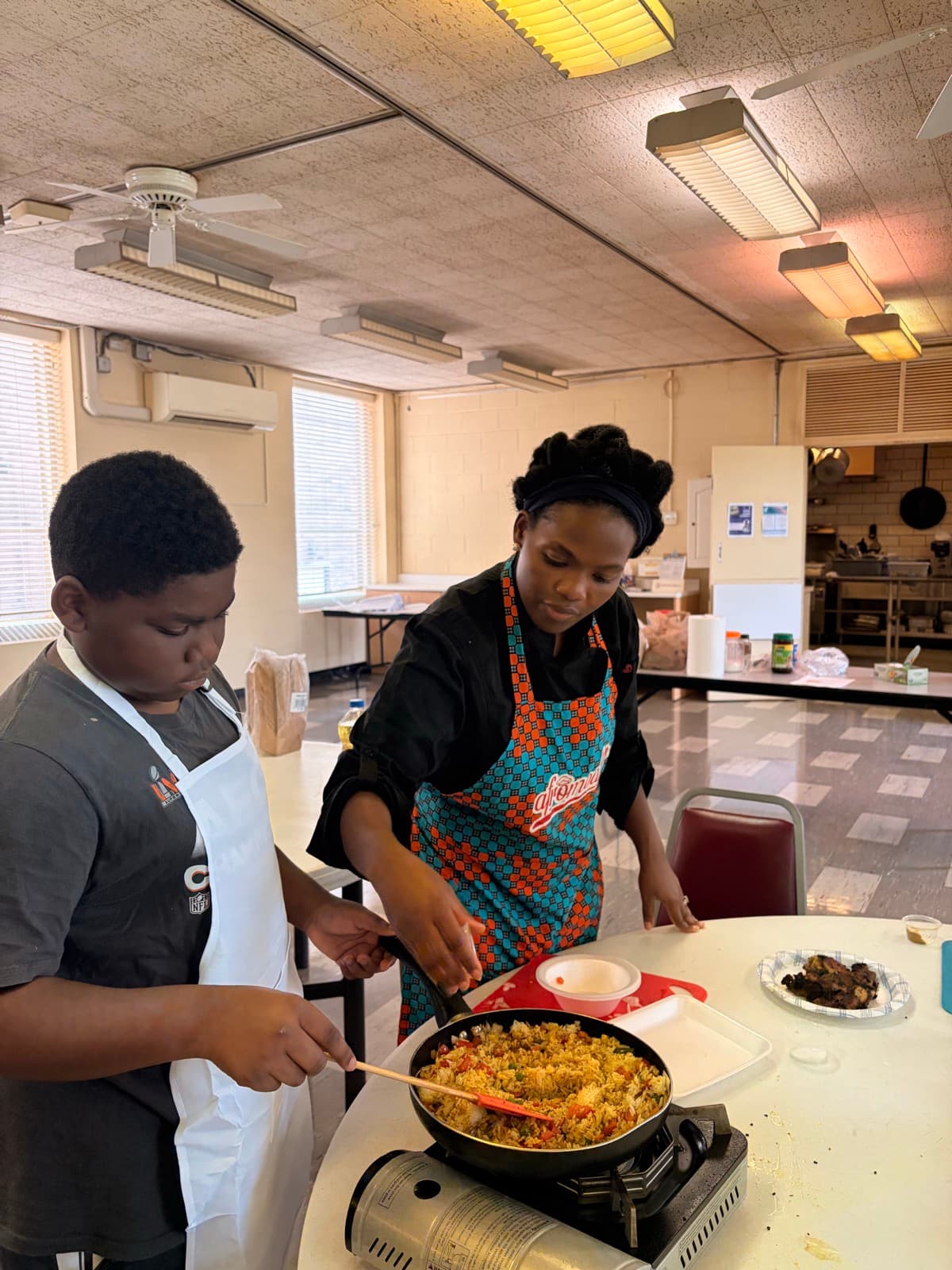
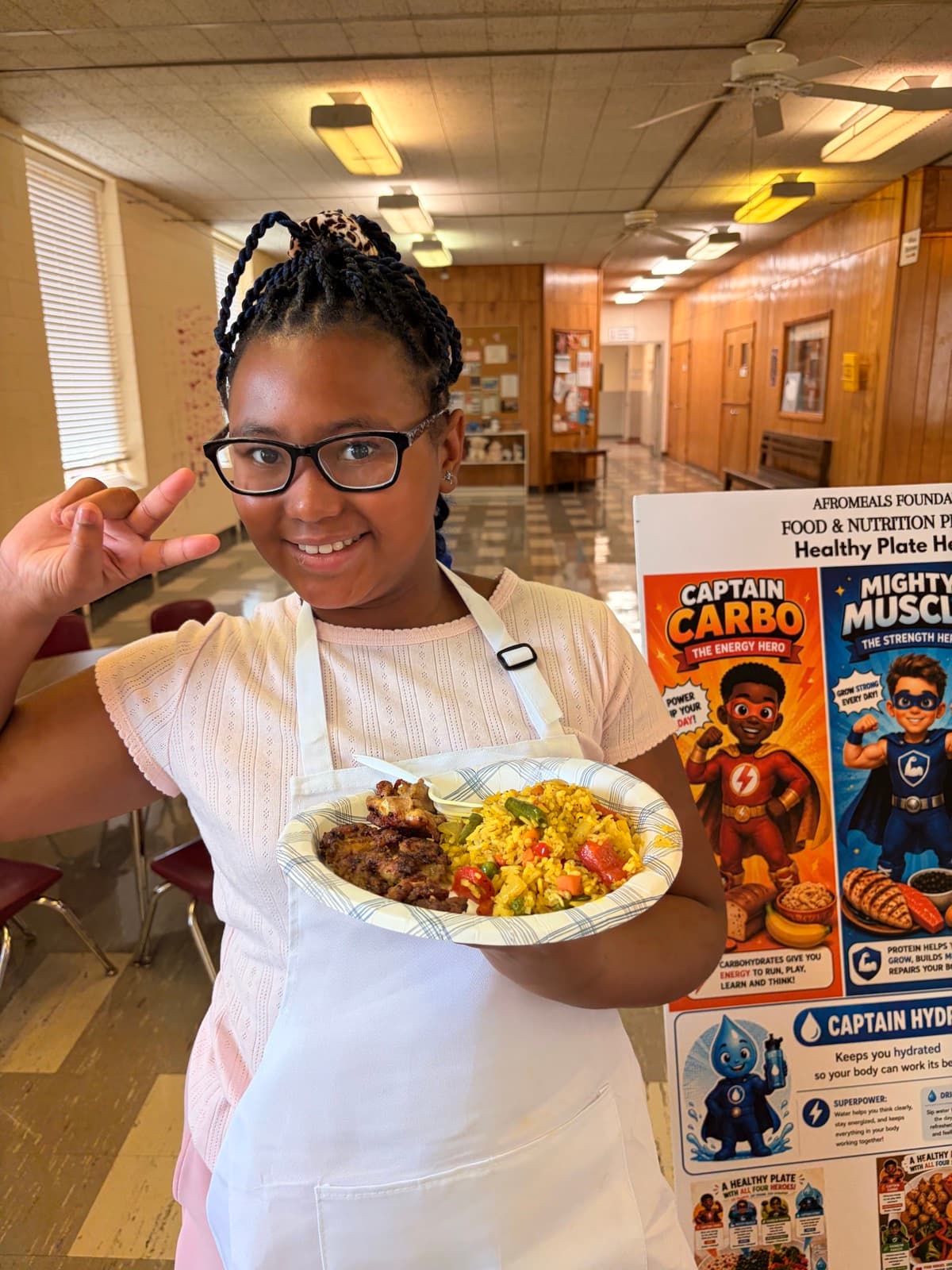
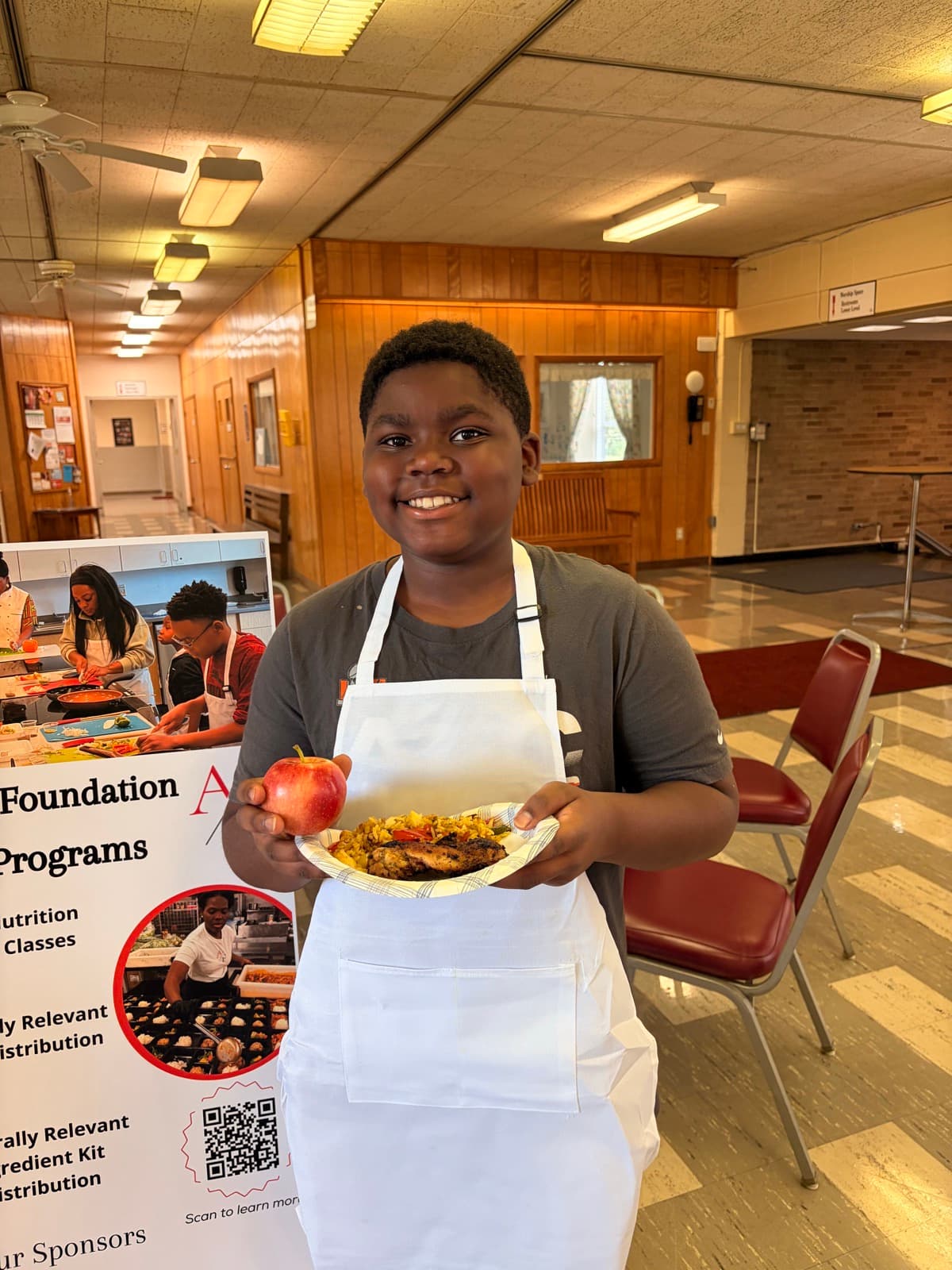
We kicked off camp with West African fried rice, chicken, and mixed vegetables. As the children prepared their meals, they worked with different ingredients, practiced basic food preparation skills, and began identifying the different food groups represented on their plates.
And, of course, they got to sit down and enjoy what they made!
Day 2: Caribbean-Inspired Flavors
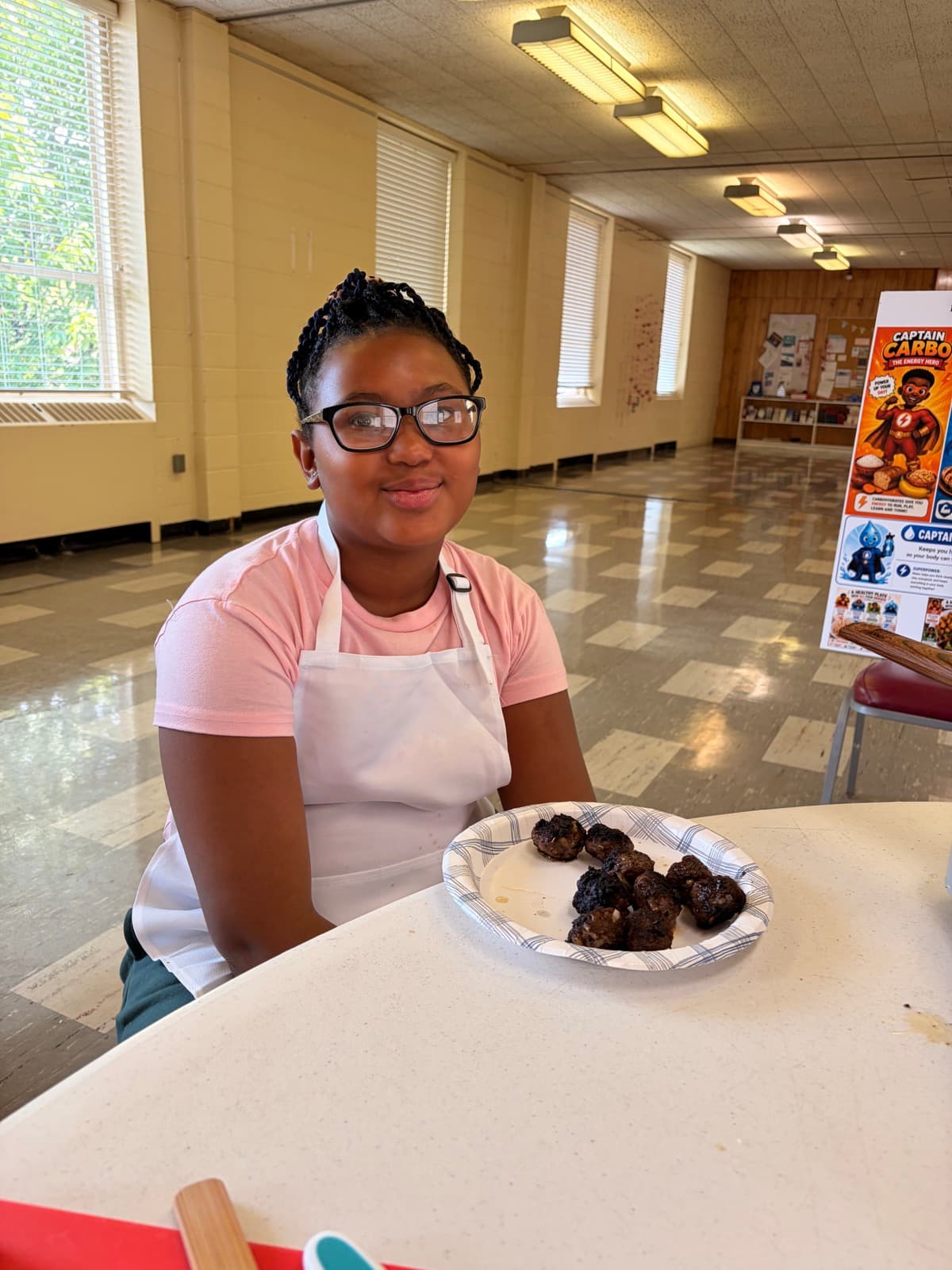
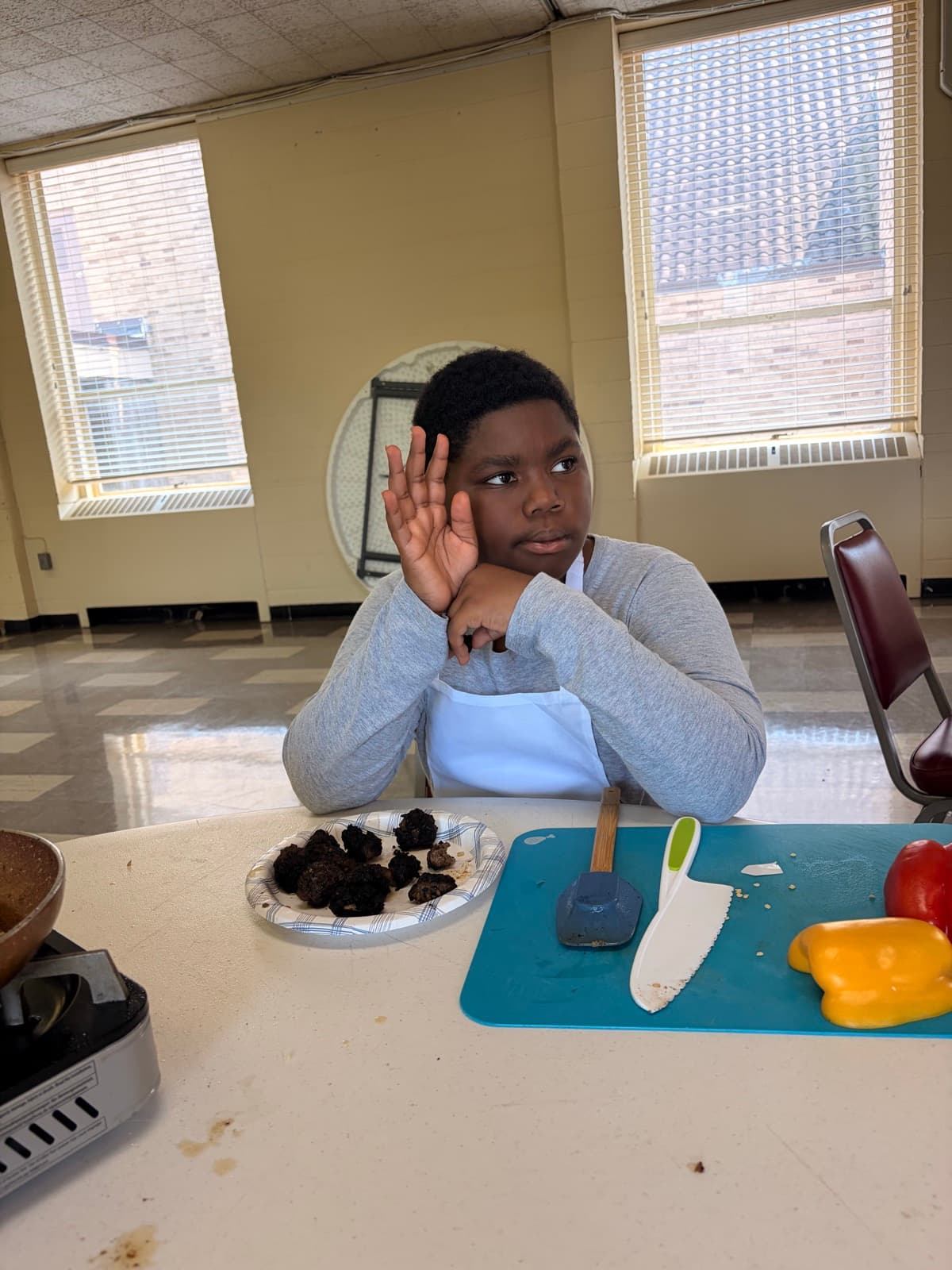
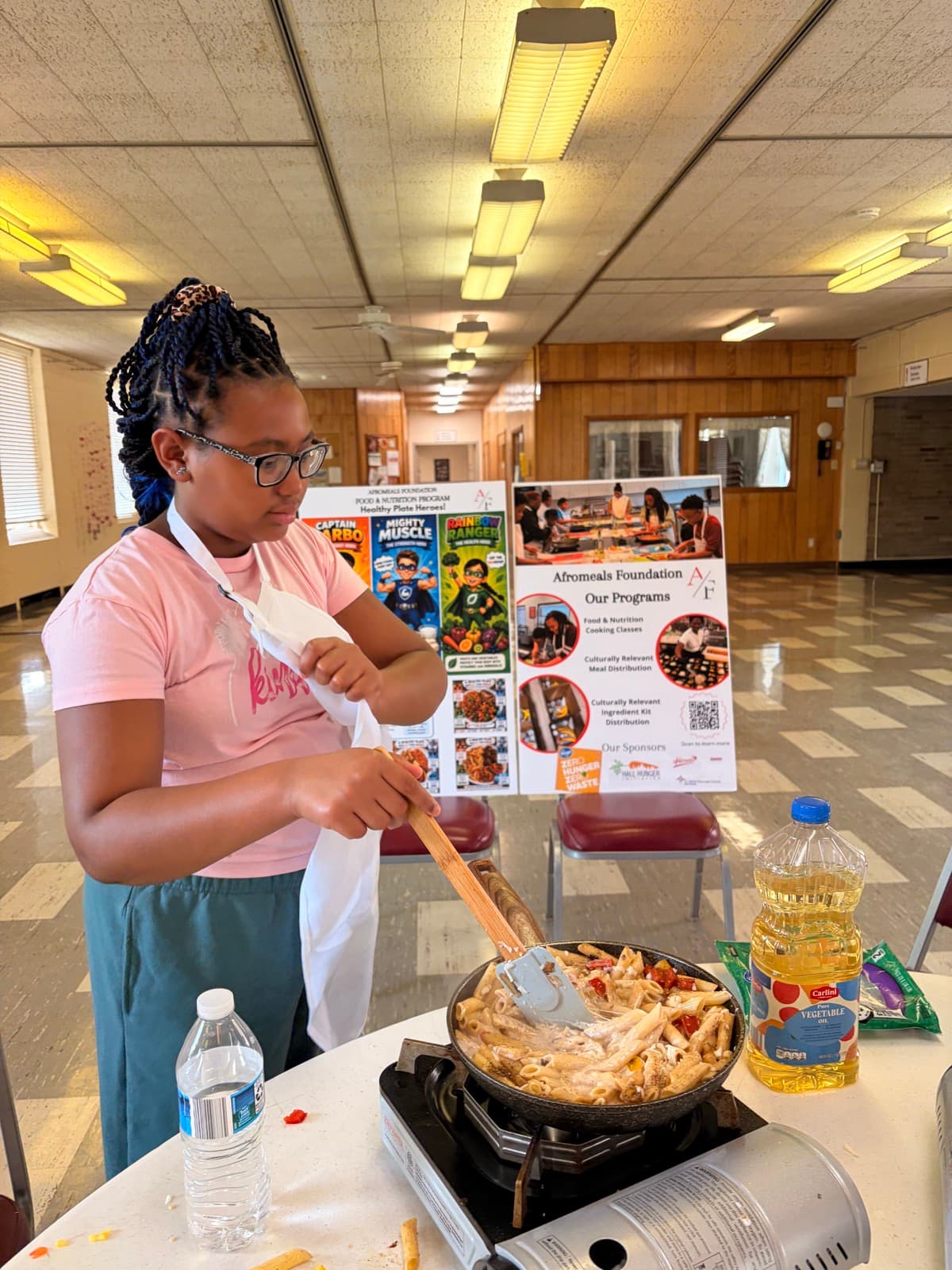
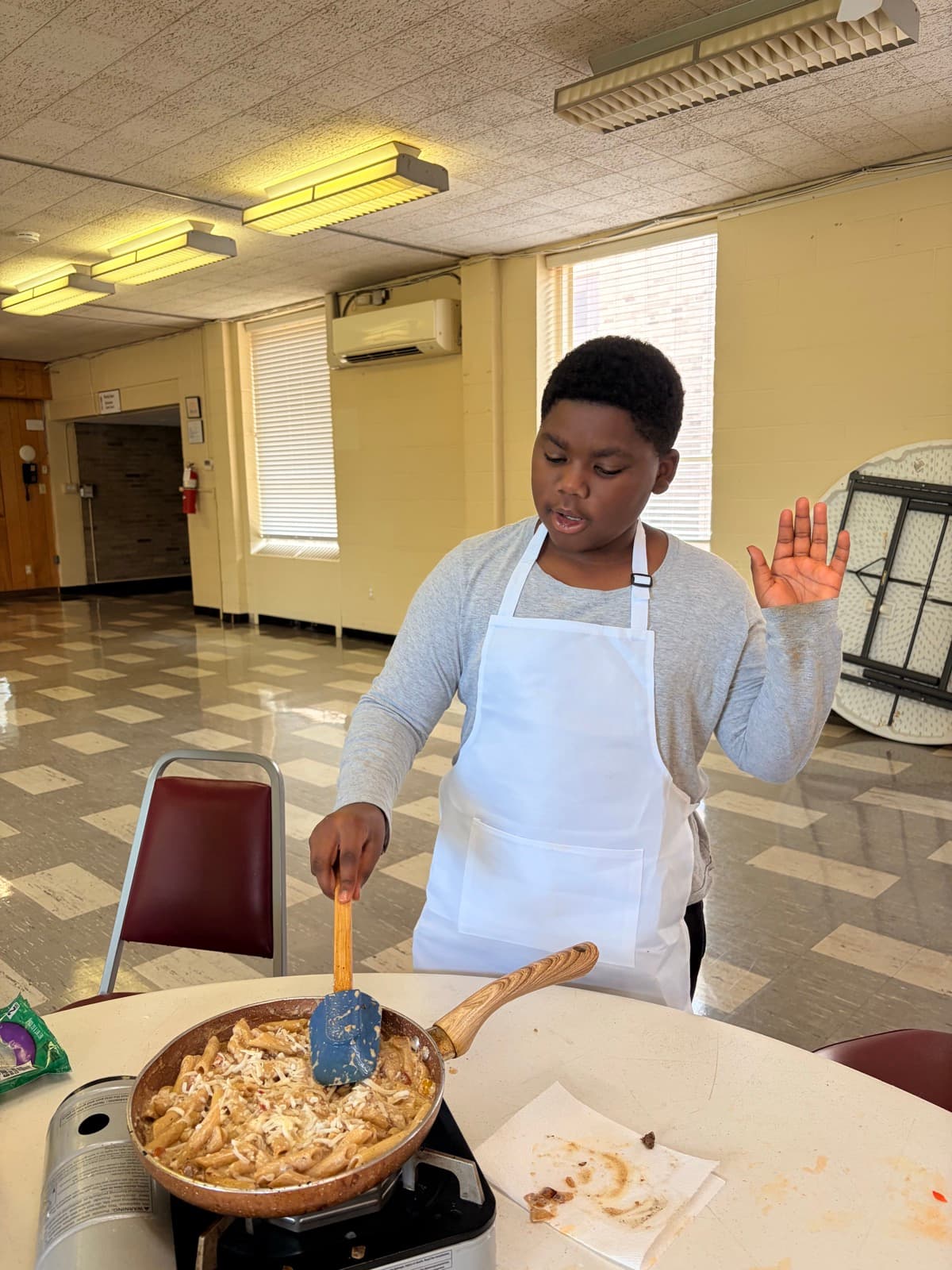
On Day 2, the children prepared Rasta pasta, jerk meatballs, and colorful vegetables. They continued practicing their cooking skills while learning that nutritious meals can be colorful, flavorful, and include foods and flavors from different cultures.
Day 3: Putting Their Skills to Work
We wrapped up camp with salmon, roasted potatoes, and sautéed spinach and bell peppers. By the final day, our campers had spent three days preparing ingredients, measuring, seasoning, cooking, and tasting their creations.
But they weren't simply following recipes. They were also beginning to understand why different foods belonged on their plates.
Turning Nutrition Into a Superpower
The children weren't just learning what to cook, they were learning what their food was doing for their bodies.
Throughout the camp, they learned about macronutrients and micronutrients, why their bodies need them, and how different foods help the body function properly and support good health.
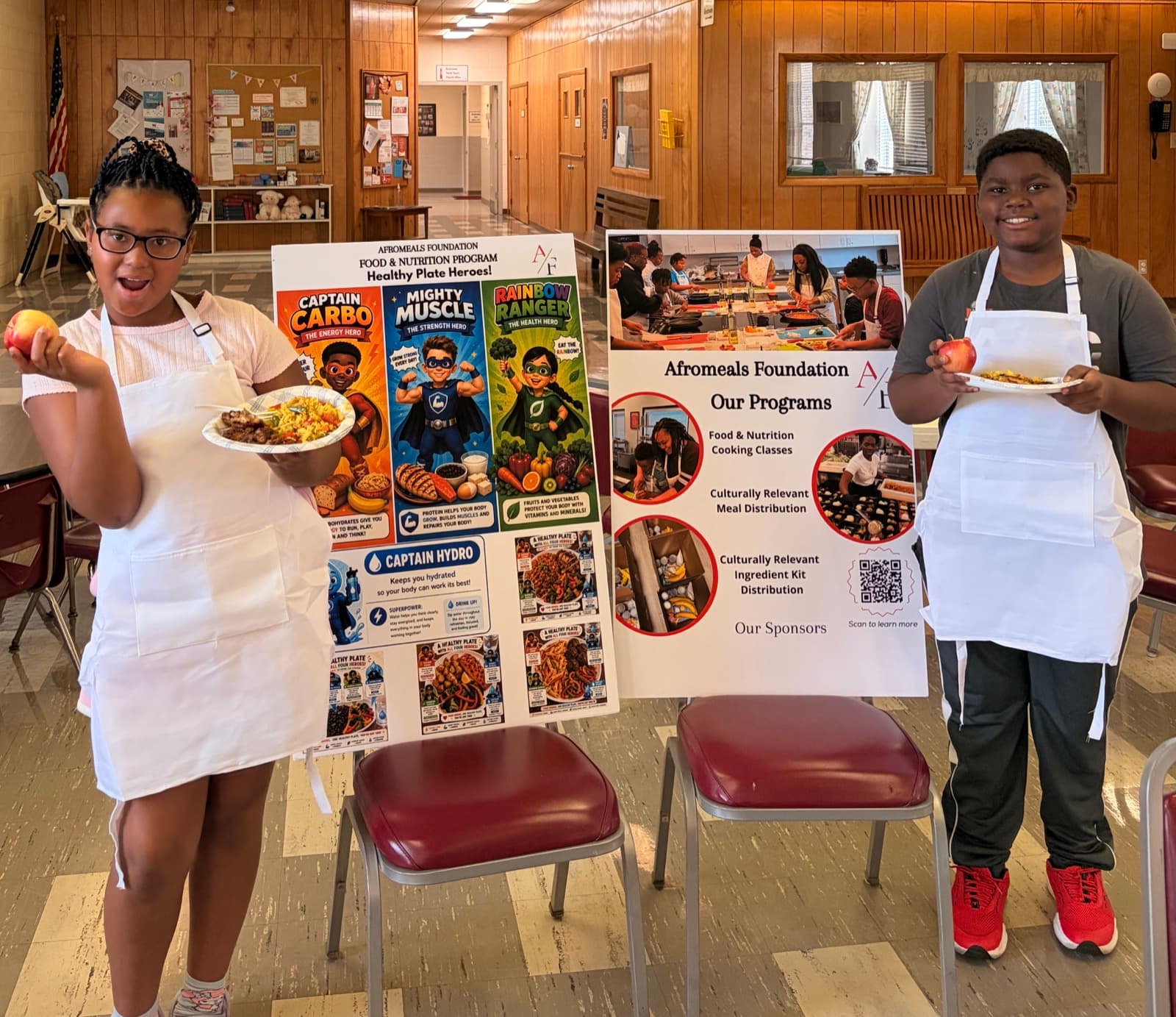
But words like macronutrients and micronutrients can be a lot for children to take in. So the nutrition lessons were taught using superhero characters representing the different nutrients and components needed on their plates.
The characters gave the children a visual way to understand and remember what they were learning. They were then able to relate the different superheroes to the foods on their plates and apply those lessons during the cooking class.
As they prepared their meals, each student cooked a carbohydrate and a protein and learned to incorporate vegetables and water as part of building a balanced meal.
The lesson didn't end when the teaching portion was over. The children were able to connect what they had learned to the ingredients they were working with, the meals they prepared, and the food they eventually ate.
From Learning to Applying
By the end of the camp, the children were able to see that preparing nutritious meals was something they could do themselves.
After preparing a balanced meal, one student shared this feedback: “No more Wendy's.”
Another student shared that they wished the summer camp was longer than three days. They also talked about what they had learned from the superhero examples used during the nutrition lessons and said they were looking forward to experiencing more food and nutrition classes.
Their feedback reflected what we hoped the three days would accomplish. The children were not only learning about balanced meals; they were able to apply what they learned while preparing and eating their own food.
By the end of the cooking camp, students had experienced for themselves that they could prepare nutritious meals.
Making Room for Culture at the Table
At Afromeals Foundation, we believe nutrition education and culture belong together.
Introducing our campers to dishes such as West African fried rice, Rasta pasta, and jerk meatballs allowed them to explore different flavors and cultures while learning practical lessons about food and nutrition.
Healthy eating does not have to mean giving up culture, familiar flavors, or foods we enjoy. Children can learn about nutritious eating while discovering and enjoying foods from different communities.
Taking the Learning Home
We didn't want what the children learned during those three days to stay in the classroom.
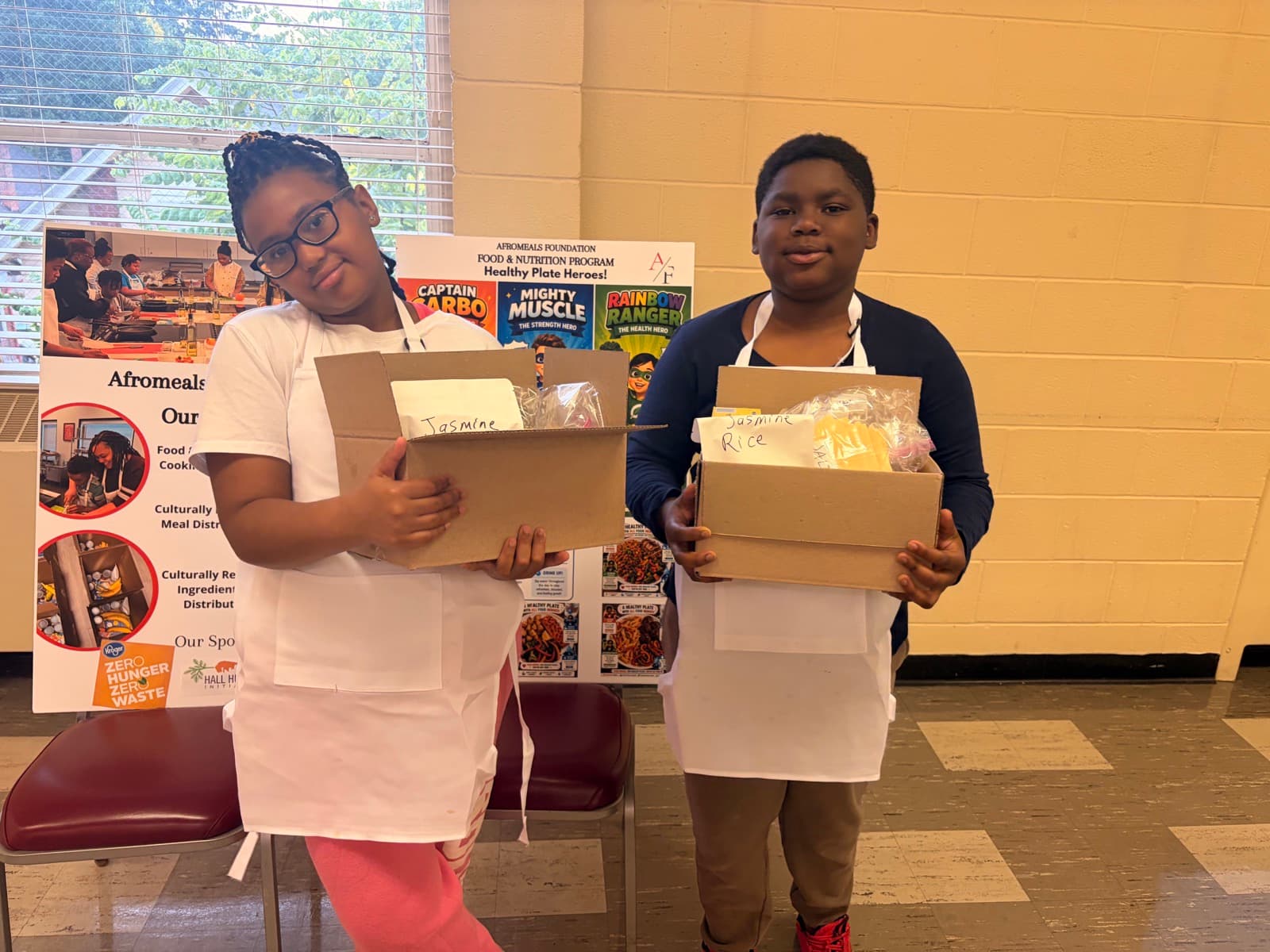
At the end of camp, the children went home with recipes and meal kits so they could prepare the foods they had worked with during class again at home.
The meal kits included carbohydrates, proteins, and vegetables, reinforcing some of the same lessons about balanced meals that the children had practiced throughout the camp.
Giving the children recipes and ingredients meant they had an opportunity to continue using what they had learned after leaving the cooking class and share the experience at home.
Thank You to Those Who Made It Possible
Our Cincinnati Summer Food & Nutrition Cooking Camp was made possible through the support of organizations and community partners who helped us bring this program to young people in Cincinnati.
A special thank you to St. James Episcopal Church for opening its doors and providing the space where our campers could cook and learn throughout the three days.
We are also grateful to Kroger Zero Hunger | Zero Waste, Hall Hunger Initiative, Costco, and Afromeals LLC for sponsoring and supporting the camp.
Their support helped us provide free, hands-on food and nutrition education for children in Cincinnati, along with practical resources the children could take home.
Three Days of Learning, Skills They Can Take With Them
Three days went by quickly, but our campers left having prepared complete meals, worked with different ingredients, learned about macronutrients and micronutrients, practiced basic cooking skills, explored culturally diverse foods, and developed a better understanding of how to build a balanced meal.
Most importantly, by the end of the camp, the children had learned and experienced for themselves that: “I can make a nutritious meal.”
Afromeals Foundation looks forward to creating more opportunities for children and families in Cincinnati and beyond to experience practical, culturally relevant food and nutrition education.
Gallery
.jpg&w=3840&q=75)
.jpg&w=3840&q=75)
Support Our Mission
Your support helps us continue providing culturally relevant food access, nutrition education, and cooking classes to communities in need.